
Understanding the psychological triggers that influence casino gambling behaviors
The Role of Reinforcement in Gambling
Reinforcement is a fundamental psychological principle that significantly influences gambling behaviors. In a casino setting, players often experience a mix of wins and losses, creating a cycle of reinforcement that can be both positive and negative. When a player wins, the excitement and joy provide immediate reinforcement, encouraging them to continue gambling. This cycle leads to a compulsion to seek out more opportunities for winning, as the brain releases dopamine, a neurotransmitter associated with pleasure, reinforcing the behavior.
The thrill of potential rewards is a powerful psychological trigger. Casinos are designed to enhance this experience, featuring bright lights, celebratory sounds, and enticing visuals that aim to stimulate the senses. Such an environment can amplify feelings of excitement and anticipation, making it easy for players to lose track of time and money. Consequently, the interplay between reinforcement and environmental stimuli can significantly impact a player’s decision-making processes.
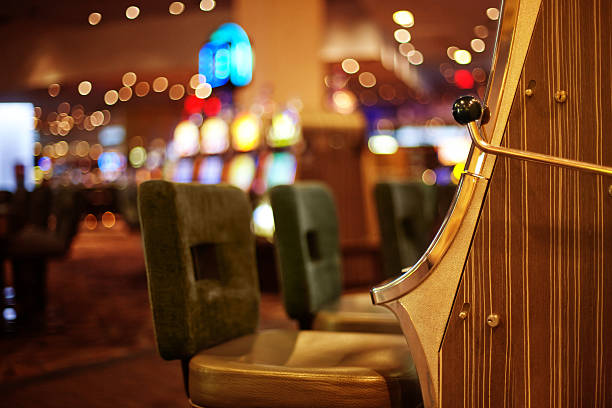
Moreover, the concept of variable ratio reinforcement—where rewards are given after unpredictable amounts of play—further entices gamblers. This unpredictability keeps players engaged as they believe that a win is just around the corner. Understanding this psychological mechanism can illuminate why many find it difficult to walk away, even when losses accumulate. The allure of the next potential win can often overshadow rational thinking, leading to continued gambling despite the risks involved.
The Impact of Cognitive Biases
Cognitive biases play a crucial role in how gamblers perceive risks and make decisions. One prevalent bias is the illusion of control, where players believe they can influence outcomes in games of chance. For example, a poker player may think that their skills can outplay luck, leading them to bet more than they can afford. This cognitive distortion can escalate gambling behaviors as players misjudge their chances of winning, often leading to higher stakes and increased losses.
Another significant bias is the gambler’s fallacy, where individuals believe that past events can affect future outcomes. A player who has experienced several losses may think they are “due” for a win, compelling them to continue playing. This psychological misjudgment can lead to further financial strain, as the player persists in their attempts to achieve what they perceive as an inevitable victory. Recognizing these cognitive biases is essential for understanding gambling behavior and mitigating its potentially harmful effects.
Additionally, framing effects can influence how gamblers react to outcomes. For instance, if a player frames a loss as a “near miss,” it can trigger feelings of hope and lead them to gamble again in search of that elusive win. These cognitive biases often cloud judgment and create a distorted view of gambling reality, making it crucial for players to educate themselves about these mental traps to foster responsible gambling practices.
Social dynamics profoundly impact gambling behaviors, with peer influences often steering individuals toward the casino experience. Social proof, a psychological phenomenon where people follow the actions of others, can entice new gamblers to participate. If someone observes friends winning or having fun at a casino, they may feel compelled to join in, believing that it is a shared and enjoyable activity. This desire for social acceptance can significantly increase gambling participation among new players.
Additionally, the presence of group activities, such as tournaments or social events within casinos, reinforces social gambling. Individuals might find themselves gambling to bond with friends or to fit in with a particular group. The combined excitement and camaraderie of group gambling experiences can lead to heightened engagement and, potentially, more significant financial risks. This social aspect underscores the importance of understanding how communal environments can influence individual gambling behaviors.
Moreover, social media and online platforms have expanded the reach of these influences. Advertisements and shared experiences on social networks can romanticize gambling, making it appear more accessible and rewarding than it is. Individuals may be drawn to online casinos that mimic social interaction, such as live dealer games, further blending social and gambling experiences. Recognizing these social influences can help players make more informed decisions about their gambling habits.
The Influence of Emotions on Gambling Decisions
Emotions significantly dictate gambling behaviors, often driving individuals to play in ways that defy logic. High-stress situations or negative emotions, such as sadness or anxiety, can lead people to seek out gambling as a form of escape. This emotional coping mechanism can result in compulsive gambling, as individuals may place bets to temporarily alleviate their emotional pain, potentially leading to more significant issues over time.
Conversely, positive emotions can also fuel gambling behaviors. The excitement of a big win or the thrill of being in a vibrant casino environment can create a rush that encourages players to take more risks. This emotional high can lead individuals to overlook rational decision-making, pushing them to wager amounts that exceed their comfort levels. Understanding the emotional triggers that lead to these decisions can aid in recognizing patterns and implementing healthier gambling practices.
Furthermore, emotional states can create a feedback loop. For instance, if a player wins while feeling particularly euphoric, they may associate gambling with positive feelings, reinforcing the behavior. Over time, the gambling experience can become intertwined with emotional highs and lows, making it increasingly challenging for individuals to gamble responsibly. Being aware of this connection between emotions and gambling can empower players to make choices that prioritize their well-being.
Betwest Casino: A Responsible Gambling Environment
Canada is committed to providing a safe and responsible gambling environment for its players. By offering a diverse range of games and a user-friendly interface, the platform ensures an enjoyable experience while prioritizing player safety. Features such as responsible gaming tools enable players to set limits on their betting and manage their gaming activities effectively, helping to mitigate potential risks associated with gambling.
The casino also prioritizes player education, offering resources and information about the psychological triggers that influence gambling behaviors. Understanding these triggers can empower players to make informed decisions, fostering a healthier approach to gaming. Additionally, provides 24/7 customer support to address any inquiries or concerns, ensuring that players have access to assistance whenever they need it.
In conclusion, stands out as a platform that values responsible gambling practices while delivering a thrilling gaming experience. By understanding the psychological factors that influence gambling behavior, players can engage in the gaming world with greater awareness, enhancing their overall enjoyment while safeguarding their financial and emotional well-being.