
The Curacao casino license is a frequent topic of discussion among online gaming operators. As the online gambling industry grows, so does the need for reliable and effective regulatory frameworks. The Curacao eGaming Authority has established a reputation for facilitating a straightforward licensing process, offering viable options for both new and established online casinos. This article will delve into the intricacies of obtaining a Curacao casino license, discussing its benefits, regulatory requirements, and how it aligns with larger industry practices. Additionally, we’ll highlight relevant comparisons to other regulatory environments, including Curacao casino license UK Ownership Index.

1. What is a Curacao Casino License?
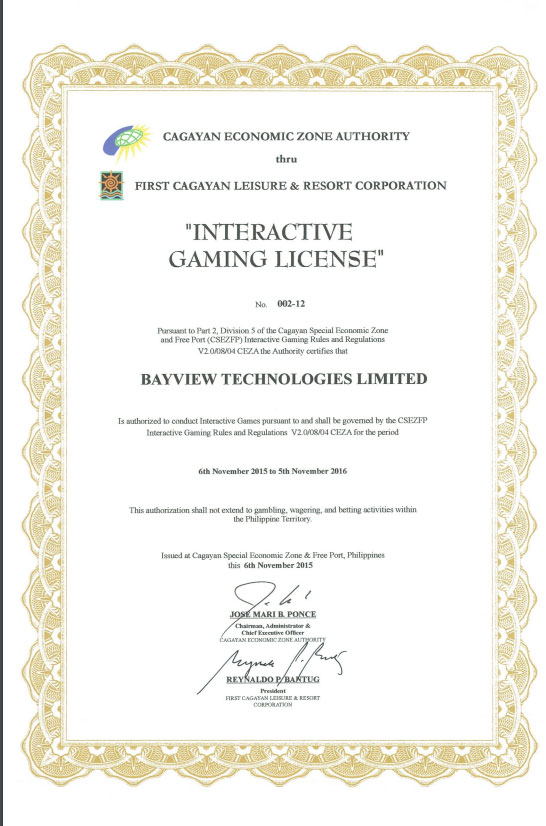
A Curacao casino license allows online gaming businesses to operate legally and provides a framework to ensure fair play and regulatory compliance. Issued by the Curacao government, this license covers various forms of gaming, including sports betting, online casinos, and poker rooms. The Curacao eGaming Authority offers this license in a relatively simple and cost-effective manner, which has made it a popular option for gaming operators worldwide.
2. The Benefits of a Curacao Casino License
There are several advantages to obtaining a Curacao casino license:
- Cost-Effective: The cost of a Curacao casino license is significantly lower than that of many other jurisdictions. This affordability makes it especially attractive for startups and smaller operators.
- Tax Benefits: Licensed operators benefit from a favorable tax regime, with a low corporate tax rate that is generally around 2% of gross revenue.
- Fast Licensing Process: The application process for a Curacao casino license is notably quick, often taking just a few weeks, allowing operators to start their business without extensive delays.
- Wide Scope of Gaming: The license covers a wide range of gaming options, which allows operators to offer diverse gaming products including slots, table games, and live dealer games.
- International Reputation: The Curacao license has been accepted and rec
ognized in various jurisdictions, enhancing operator credibility.
3. Regulatory Requirements
While obtaining a Curacao casino license is straightforward, there are still several regulatory requirements that operators must meet:
- Ownership Disclosure: Applicants must fully disclose the ownership structure of their gaming business. This includes providing personal information about directors and key stakeholders.
- Business Plan: Operators must submit a comprehensive business plan detailing their gaming offerings, target markets, and marketing strategies.
- Technical Standards: Online casinos must adhere to specific technical standards, including game fairness and security measures. Operators may need to provide independent auditing of their games.
- Anti-Money Laundering Policies: Compliance with anti-money laundering (AML) regulations is strictly enforced. Operators must implement measures to prevent illicit activities through their platforms.
4. The Application Process
The process to apply for a Curacao casino license involves several steps:
- Prepare Documentation: Gather required documents, including proof of identity, business plan, and ownership disclosures.
- Submit Application: Fill out the application form provided by the Curacao eGaming Authority and submit it along with the documentation.
- Review Process: The authority will review your application, which can take a few weeks. Be prepared to answer any questions or provide additional information.
- Payment and Licensing: Once approved, pay the licensing fee to receive the official Curacao casino license.
5. Comparison with Other Licenses
When evaluating the Curacao casino license, it’s beneficial to compare it with other popular gaming jurisdictions:
- Malta: Malta offers a robust regulatory environment with strict requirements. While it holds a higher reputation, the application process can be lengthy and costly.
- UK Gambling Commission: The UKGC has one of the most stringent regulatory frameworks. This offers high consumer protection but comes with elevated costs and a comprehensive application process.
- Gibraltar: Similar to Malta, Gibraltar has a strong gaming regulation system but can be more accessible and cost-effective compared to the UK.
6. Trends in the Online Gaming Industry
As the online gaming industry evolves, specific trends emerge alongside regulatory frameworks:
- Increased Regulation: Despite the ease of obtaining a Curacao license, many operators are facing heightened scrutiny and calls for more robust compliance and customer protections.
- Blockchain and Cryptocurrencies: The integration of blockchain technology and cryptocurrencies is gaining traction in the gaming sector, leading to new licensing considerations.
- Focus on Player Safety: With the rise in online gambling participation, operators are increasingly prioritizing responsible gaming measures.
7. Conclusion
The Curacao casino license presents a compelling option for online gaming operators seeking a cost-effective, efficient, and internationally recognized regulatory framework. While the benefits are substantial, it is crucial for operators to remain informed about evolving regulations and industry trends. By adhering to compliance standards and focusing on player safety, businesses can leverage the advantages of a Curacao license to thrive in the competitive online gaming marketplace.