
The Allure of Casino Gambling
The psychology behind casino gambling is deeply rooted in human behavior and motivation. Gamblers are often drawn to the excitement and thrill that casinos offer, seeking not only financial rewards but also the emotional highs associated with the game. This combination of anticipation and uncertainty stimulates dopamine release in the brain, creating a rewarding experience that can be hard to resist. Many find that exploring online casinos not on gamstop can heighten the overall experience as they navigate through different gaming options.
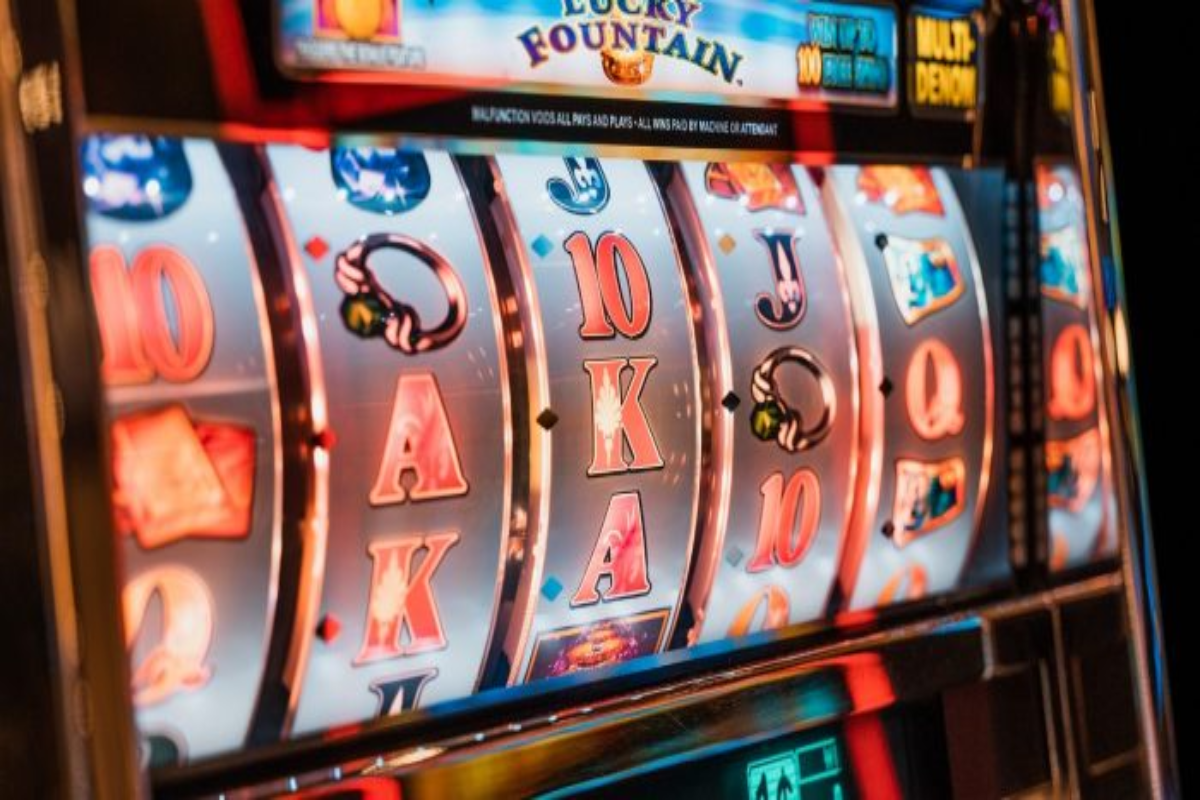
Moreover, the environment within a casino is meticulously designed to enhance this psychological effect. From the vibrant colors and loud sounds to the scent of fresh coffee and pastries, every element plays a role in drawing players into a world where risk and reward coexist, often leading to prolonged play and a craving for more excitement.
The Role of Cognitive Biases
Cognitive biases significantly influence gambling strategies and decisions. One common bias among gamblers is the “gambler’s fallacy,” which leads individuals to believe that past outcomes will affect future results. For instance, a player might think that a slot machine is due for a payout after a series of losses, prompting them to wager more. This misconception can skew a player’s judgment and lead to irrational betting behaviors.
Another prevalent cognitive bias is the “illusion of control,” where gamblers believe they can influence random outcomes. This belief can encourage more frequent and larger bets, as players feel empowered to influence their chances of winning, even in games of pure chance. Understanding these biases is crucial for developing healthier gambling habits and recognizing the psychological traps that casinos exploit.
Strategies for Responsible Gambling
Implementing effective gambling strategies can mitigate the risk of developing harmful habits. Players are encouraged to set clear limits on their time and money spent at casinos, ensuring that gambling remains a form of entertainment rather than a financial burden. By establishing a budget and sticking to it, individuals can enjoy the games without falling prey to impulsive decisions driven by emotional highs and lows.
Additionally, self-awareness is key. Gamblers should take time to reflect on their motivations for gambling. Are they seeking a thrill, or are they attempting to escape stress? By understanding their own psychological triggers, players can make more informed choices about when to gamble and when to walk away, ultimately fostering a more balanced relationship with gambling.
The Impact of Social Influences
Social factors also play a crucial role in the psychology of gambling. Peer pressure and the desire to fit in can encourage individuals to gamble more than they might on their own. The presence of friends at a casino can amplify the excitement and lead to riskier behaviors, as social dynamics often push individuals to take chances they wouldn’t consider alone.
Furthermore, the perception of gambling as a social activity can create an environment where excessive gambling is normalized. Understanding the influence of social circles can help individuals recognize the importance of setting personal boundaries and the value of engaging with supportive friends who encourage responsible gambling practices.
Enhancing Your Experience on a Secure Platform
For those interested in exploring gambling strategies, it’s important to choose a secure and reliable platform. An environment that prioritizes user security allows players to focus on their gaming experience without worrying about potential threats. With the right tools and resources, individuals can enhance their gambling strategies while ensuring a safe experience.
Additionally, finding a platform that offers guidance on responsible gambling can be invaluable. By integrating psychological insights with practical strategies, players can enjoy their time at the casino while minimizing risks and maximizing enjoyment, ensuring that their gambling remains a fun and controlled activity.