
The Nature of Luck in Gambling
Luck is often perceived as a mysterious force that plays a pivotal role in gambling outcomes. While skills and strategies can certainly improve a player’s chances, luck remains an uncontrollable variable that can sway the balance in any game, from poker to slot machines. Players frequently recount stories of incredible wins or devastating losses, attributing these outcomes to the whims of fate, especially when they play at the best online casino in new zealand where the stakes feel higher. This perception of luck emphasizes the unpredictable nature of gambling and highlights the thrill that comes with each game. It acts as a double-edged sword, bringing both joy and disappointment, thus adding to the overall allure of gambling.
The essence of luck is that it can change at any moment. For instance, a poker player may be dealt a strong hand only to find their opponent holding an even stronger one. This randomness is a fundamental characteristic of gambling, making every session unique. Although players can develop strategies to increase their odds, the integration of luck means that even the most seasoned gamblers face uncertainty. This unpredictability is partly what attracts individuals to gambling in the first place, as it offers an escape from the mundane and a chance to experience the thrill of the unknown.
Moreover, luck not only influences wins and losses but also affects a player’s mentality. A run of good luck can boost confidence, leading to more aggressive betting and risk-taking. Conversely, a streak of bad luck can induce caution or even panic, causing players to second-guess their strategies. Understanding how luck impacts one’s emotions and decisions is crucial for navigating the gambling landscape effectively. Recognizing that luck is a significant factor can help players maintain a balanced perspective and approach their gaming experience with a healthier mindset.
The Role of Probability and Odds
In gambling, probability and odds measure the likelihood of various outcomes and provide a framework for understanding the role of luck. Every game has inherent probabilities that dictate the chances of winning. For instance, the odds of hitting a jackpot on a slot machine are typically very low, while games like blackjack offer better odds for knowledgeable players. However, even with favorable odds, luck can alter results dramatically, showcasing that outcomes aren’t solely determined by probability. This relationship underscores the complexity of gambling, where both skill and luck intertwine to create varied experiences for players.
Players often use mathematical strategies to maintain an edge over the house, but luck can quickly negate these advantages. For example, in a game of roulette, a player’s winning streak may entirely depend on where the ball lands. Even the most informed gambler cannot predict where the ball will fall, emphasizing that luck is an omnipresent factor in determining results. This intersection between probability and luck creates a complex dynamic that either promotes or diminishes a player’s success, leading to a deeper understanding of how different factors influence gambling outcomes.
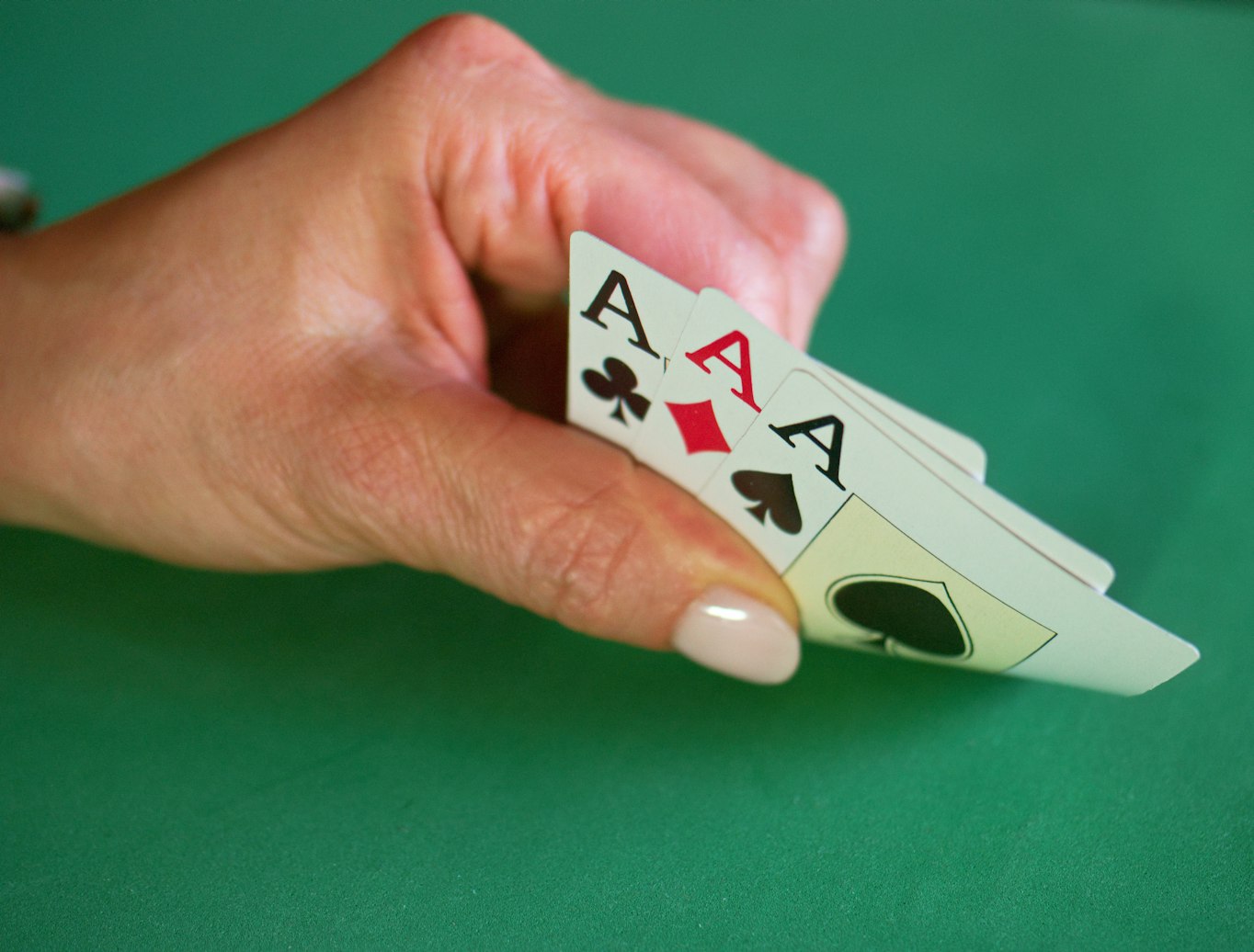
While statistical analysis can provide insights, it cannot eliminate the influence of luck. Many players mistakenly believe that past outcomes will dictate future results—a fallacy known as the gambler’s fallacy. In reality, each game is independent, and luck remains the wild card that can turn the tide unexpectedly. Recognizing this can aid players in making more informed decisions and appreciating the unpredictable nature of gambling. Embracing the randomness of luck can also enhance the overall enjoyment of the game, making each session feel fresh and exhilarating.
Psychological Aspects of Luck in Gambling
The psychological impact of luck in gambling is significant. Players often attribute their successes to skill while blaming losses on bad luck, which affects their mindset and approach to the game. This cognitive bias can lead to a misguided confidence when things are going well, pushing players to wager more, often with disastrous consequences. Understanding this psychological aspect of gambling can be crucial to maintaining a balanced and rational approach. By recognizing these tendencies, players can work towards a healthier relationship with both wins and losses.
An example of this psychological phenomenon can be seen in ‘hot streaks,’ where players believe they are on a lucky run, leading them to bet larger amounts. Conversely, ‘cold streaks’ can create feelings of despair and frustration, causing players to chase losses in hopes of reversing their fortunes. These patterns highlight the powerful influence of luck on a player’s mental state, affecting both decision-making and overall enjoyment of the game. Acknowledging these psychological factors can help players develop strategies to cope with the emotional swings that often accompany gambling.
Furthermore, the concept of luck intertwines with personal beliefs and cultural influences. Some players may carry lucky charms or follow certain rituals in the hope of attracting good fortune. This behavior reflects the human tendency to seek control over randomness, offering psychological comfort even in an environment dominated by chance. Recognizing these psychological factors can help players navigate their emotional responses and make more rational choices during gambling sessions, ultimately leading to a more fulfilling experience.
Strategies to Cope with Luck in Gambling
While luck cannot be controlled, players can adopt strategies to manage its impacts effectively. One essential approach is setting clear limits on betting amounts and time spent gambling. This strategy helps mitigate the potential negative consequences of bad luck, allowing players to walk away from the table before their situation worsens. Establishing such boundaries promotes responsible gambling and can ultimately enhance the experience, regardless of the outcome. By knowing when to stop, players can protect their mental well-being and financial health.

Another effective strategy involves developing a solid understanding of the games played. Knowledge of rules, odds, and potential outcomes allows players to make informed decisions that can improve their chances, even if luck does not always favor them. For example, in poker, understanding probabilities can help players make better judgment calls, allowing them to capitalize on moments when luck is working in their favor. This knowledge can create a sense of empowerment, enabling players to engage with the game more fully.
Lastly, players should focus on maintaining a positive mindset regardless of their current luck. This mental fortitude not only enhances the enjoyment of the game but also encourages players to make thoughtful decisions. Cultivating an appreciation for the inherent unpredictability of gambling can lead to a more balanced approach, fostering resilience in the face of both wins and losses. By embracing a positive attitude, players can navigate the ups and downs of gambling with grace and enjoy the experience more deeply.
Conclusion and Reflections on Gambling
In conclusion, luck plays a crucial role in the realm of gambling, serving as both a source of excitement and a cause for frustration. Understanding the nature of luck, its relationship with probability, and the psychological effects it has on players can empower individuals to engage with gambling more mindfully. While one cannot rely solely on skill or strategy, recognizing the role of luck and how it intertwines with the gaming experience can lead to a more thoughtful approach. This understanding can help players find joy in the unpredictability of gambling rather than becoming overwhelmed by the highs and lows.
Furthermore, adopting responsible gambling practices is essential for enjoying the thrill that games provide while minimizing potential harm. With effective strategies for coping with lucky and unlucky streaks, players can create a positive gambling experience. Ultimately, recognizing that luck fluctuates and maintaining a balanced mindset can foster a healthier relationship with gambling. This mindful approach encourages players to cherish the moments of joy and learn from each experience, regardless of the outcome.
This website aims to provide valuable insights into the world of gambling, helping players understand the dynamics of luck and its impacts. Our goal is to empower individuals to make informed choices and appreciate the complex interplay of skill, strategy, and chance in their gambling endeavors. Whether you are a seasoned player or a newcomer, our content is designed to enrich your knowledge and enhance your gaming experience, creating a community where everyone can learn and grow in their understanding of gambling.