
The cultural significance of gambling across different societies
Historical Perspectives on Gambling
Throughout history, gambling has been an integral part of various cultures, reflecting societal values and norms. Ancient civilizations, such as the Chinese and Romans, engaged in games of chance that were often linked to social and religious practices. For instance, the Chinese utilized rudimentary dice for fortune-telling, indicating that gambling transcended mere entertainment and became a vehicle for divine insight. Similarly, in ancient Rome, dice games were common among soldiers, providing a means to foster camaraderie while also serving as a reflection of their societal hierarchy. Today, the thrill of gambling can also be found at fortislots.casino, which offers a vibrant online gaming experience.
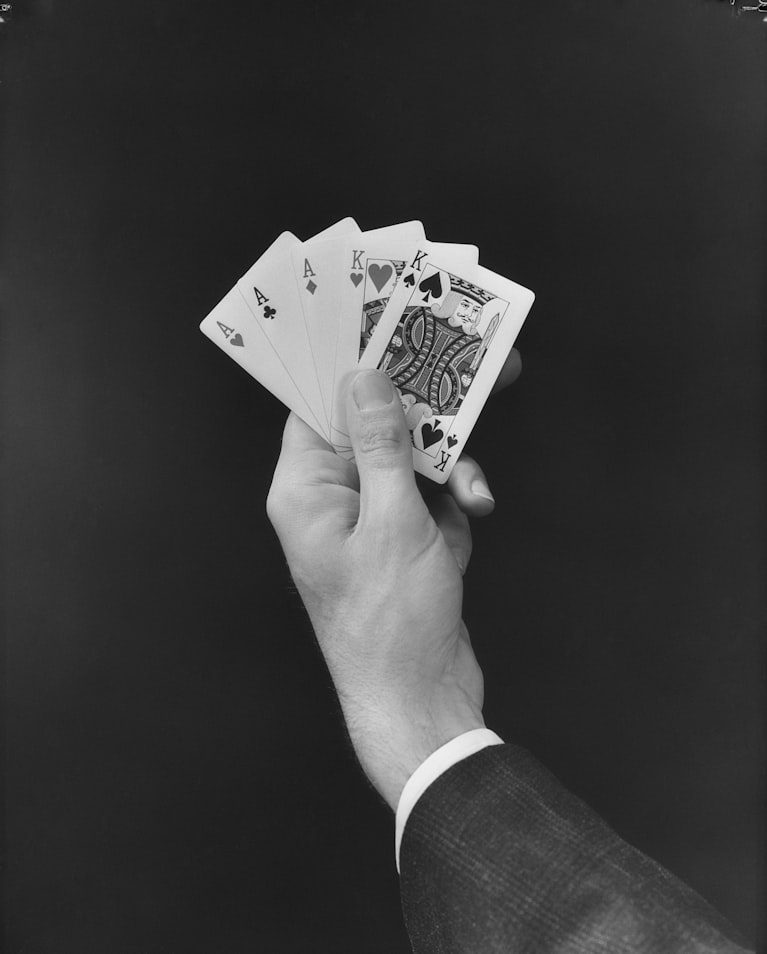
In medieval Europe, gambling evolved to incorporate card games, which became popular across social classes. The rise of gambling in royal courts illustrated the intertwining of chance with power and status. This era also witnessed the establishment of gambling houses, laying the groundwork for modern casinos. Such historical contexts illuminate how gambling has historically functioned as a mirror of societal structure, offering insights into the complexities of human behavior, risk-taking, and social interaction.
The cultural narratives around gambling vary significantly, with some societies viewing it as a sin while others celebrate it as an integral cultural practice. For example, in many Islamic cultures, gambling is prohibited, reflecting broader religious and ethical beliefs. In contrast, Western societies often embrace gambling, celebrating the thrill and excitement associated with it. This dichotomy highlights how deeply cultural, religious, and historical narratives shape societal attitudes toward gambling, making it a fascinating subject of study across different civilizations.
Gambling as a Social Connector
Gambling often serves as a social connector, facilitating relationships and community bonds. Social gambling events, such as charity poker nights or local lotteries, bring individuals together with a shared purpose, promoting unity within communities. In indigenous cultures, gambling activities are frequently integral to festivals and celebrations, reinforcing social ties and shared identity. These gatherings highlight the communal aspect of gambling, where the act transcends individual gain and emphasizes collective enjoyment and participation.
Additionally, the rise of online gaming platforms has further transformed how people engage with gambling socially. Virtual casinos and online poker rooms allow individuals from various backgrounds to connect and interact in real-time, breaking geographical barriers. This shift not only democratizes access to gambling but also creates diverse online communities centered around shared interests and experiences. Such interactions showcase the evolving nature of gambling as a means of socialization in the digital age, fostering new types of relationships and community dynamics.
The social implications of gambling are multifaceted, encompassing both positive and negative aspects. While many find joy and camaraderie through gaming, others may face challenges such as gambling addiction, which can strain relationships and erode community ties. Understanding the social dimensions of gambling requires a nuanced approach that balances the enjoyment it brings with the potential risks it poses to individuals and communities. Thus, the cultural significance of gambling extends beyond mere activity, shaping the fabric of society and community dynamics.
Symbolism and Rituals in Gambling
Gambling is steeped in symbolism and rituals that vary across different cultures. In many societies, games of chance are infused with deep meanings and beliefs, often viewed as rites of passage or significant life events. For example, in some Native American cultures, gambling is incorporated into spiritual practices, where the outcomes of games are interpreted as messages from the spirits. This intertwining of gambling with spirituality illustrates how cultural beliefs shape the perception of chance and luck.
Moreover, rituals surrounding gambling enhance its cultural significance. Practices such as “throwing dice” or “drawing lots” are not merely games of chance but are often accompanied by specific customs and beliefs that reflect the cultural context. For instance, in Japanese culture, the game of “Hanafuda,” a traditional card game, is associated with various celebrations and is often played during New Year festivities. Such rituals imbue the act of gambling with a sense of importance and communal identity, reinforcing the idea that games of chance can play a significant role in cultural expression.
This symbolic dimension of gambling extends to modern contexts as well. Casino architecture, for instance, often reflects cultural themes and values, with designs intended to evoke luck, prosperity, or celebration. The elaborate decorations and ambient settings serve as a modern ritualistic environment, enhancing the overall experience of gambling. This evolution illustrates how the cultural significance of gambling transcends time, adapting to contemporary contexts while retaining deep-rooted meanings and rituals.
Regulation and Moral Perspectives on Gambling
The regulation of gambling varies significantly across cultures, reflecting differing moral perspectives and societal values. In some countries, gambling is heavily regulated, and specific forms are outlawed entirely due to religious or moral objections. For instance, in many Islamic nations, gambling is prohibited based on interpretations of religious texts, highlighting how moral beliefs can shape laws and societal norms. This prohibition is often rooted in the belief that gambling can lead to moral degradation and social issues.
Conversely, in many Western societies, gambling is widely accepted and regulated to ensure fair play and consumer protection. Governments may promote gambling as a source of revenue, funding public services and infrastructure. This dual approach creates a complex relationship with gambling, where the thrill and economic benefits are weighed against potential societal costs, such as addiction and crime. As a result, regulatory frameworks are continually evolving to address the changing landscape of gambling and its cultural implications.
The moral discourse surrounding gambling often involves a balancing act between freedom of choice and the potential social harm. Advocates for responsible gambling emphasize the importance of individual autonomy and the right to engage in recreational activities, while critics highlight the risks associated with gambling addiction and its societal consequences. This ongoing dialogue reflects the dynamic relationship between culture, morality, and gambling, underscoring the need for a nuanced understanding of its implications across different societies.

Fortislots and the Evolution of Gambling Culture
Fortislots Casino exemplifies the modern evolution of gambling culture, blending traditional gaming experiences with contemporary technology. As an online platform, it reflects the growing trend of digital engagement in gambling, offering a diverse array of games that cater to a global audience. This innovation not only enhances accessibility but also fosters community interactions through live dealer games and social features. The immersive experience created by such platforms signifies a shift in how gambling is perceived and experienced across cultures.
The website exemplifies how gambling can adapt to changing societal norms while retaining its cultural significance. With user-friendly interfaces, engaging graphics, and innovative gaming options, Fortislots captures the excitement of traditional casinos while providing the convenience of online gaming. Furthermore, the emphasis on player safety and responsible gaming practices aligns with the ongoing discourse about the need for ethical standards in the gambling industry.
By offering an impressive array of bonuses and a commitment to customer support, Fortislots underscores the evolving landscape of gambling culture. It not only represents a space for entertainment but also serves as a platform for social connections and cultural exchange. As societies continue to navigate the complexities of gambling, platforms like Fortislots will play a crucial role in shaping the future of this multifaceted cultural phenomenon.