
The psychological impact of gambling understanding the hidden effects on mental health
The Nature of Gambling Addiction
Gambling addiction is often classified as a behavioral addiction, similar to substance abuse. Individuals may initially approach gambling as a form of entertainment, but over time, the activity can spiral into a compulsive behavior that takes over their lives. The thrill of winning can trigger the brain’s reward system, making it difficult for players to recognize the shift from casual engagement to addiction. This pattern is often influenced by emotional and psychological factors, leading to a cycle that is hard to break. Many players find valuable tips on strategies for specific games on sites like https://pincovip.ca/.
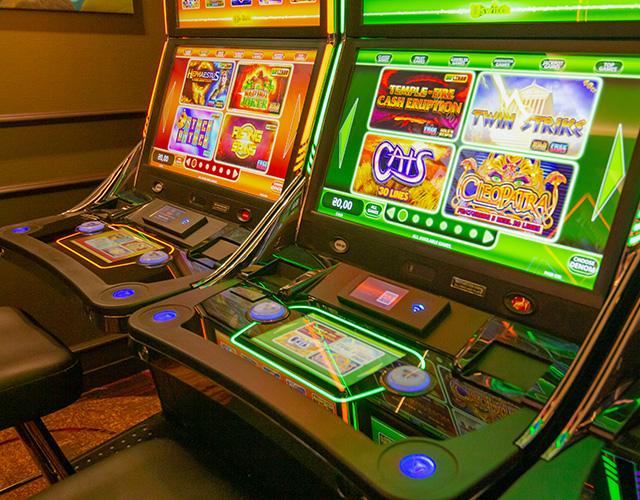
The symptoms of gambling addiction can manifest in various forms, including increased tolerance, withdrawal symptoms when not gambling, and persistent, unsuccessful attempts to cut down on play. Moreover, many individuals resort to gambling as an escape from stress, anxiety, or depression, believing they can solve their financial problems through luck. Unfortunately, this often exacerbates their existing issues, creating a damaging feedback loop that worsens mental health.
Understanding gambling addiction requires recognizing its underlying psychological triggers. Factors such as low self-esteem, loneliness, or a desire for social connection can drive individuals towards gambling. As their mental state deteriorates, they may become increasingly isolated and withdrawn, further compounding the emotional distress. Thus, addressing the psychological aspects of gambling addiction is crucial for effective treatment and recovery.
The Emotional Consequences of Gambling
The emotional toll of gambling can be profound and often leads to significant mental health issues. Many gamblers experience feelings of guilt, shame, and anxiety, especially when they find themselves in financial trouble. This distress can escalate into serious conditions such as depression or anxiety disorders, affecting personal relationships and overall quality of life. The constant worry about debts and the repercussions of gambling losses can overwhelm even the most resilient individuals.
Moreover, the emotional highs associated with winning can be equally damaging. After a big win, many players experience an emotional letdown, leading to feelings of emptiness or despair. This cycle of highs and lows can create an emotional rollercoaster that further complicates mental health. The dichotomy of joy from winning and despair from losing can lead to a distorted sense of reality and exacerbate emotional instability.
In addition to personal ramifications, the emotional consequences of gambling extend to family and friends. Loved ones may feel helpless as they witness the changes in behavior and emotional state of the gambler. This strain can result in relationship breakdowns, increased familial conflict, and, in some cases, the erosion of social support networks, making recovery even more challenging.
The Social Implications of Gambling
The social implications of gambling are often underestimated. While some individuals view gambling as a harmless pastime, it can lead to social isolation and strained relationships. Those struggling with gambling addiction may begin to withdraw from social activities, neglecting family and friendships in favor of gambling. This isolation can perpetuate feelings of loneliness and despair, creating a vicious cycle that further entrenches their addiction.
Furthermore, the social stigma surrounding gambling addiction can make it difficult for individuals to seek help. Many fear judgment from peers or family, leading them to suffer in silence. This lack of support can exacerbate the problem, as addiction thrives in secrecy. It’s essential to recognize that just as substance abuse is treated with empathy and understanding, so too should gambling addiction be approached, reducing the stigma associated with it.
On a broader scale, communities may suffer due to the prevalence of gambling. Increased crime rates, financial instability, and the erosion of family structures can stem from gambling-related issues. These social consequences highlight the need for community support systems and educational programs to address gambling addiction and its effects on mental health. By fostering open dialogues about gambling, communities can create a supportive environment for those in need.
Strategies for Recovery and Support
Addressing gambling addiction requires a multifaceted approach that combines psychological support, community resources, and self-help strategies. Therapy, such as cognitive-behavioral therapy, can be particularly effective in helping individuals recognize and modify the thought patterns that drive their gambling behavior. By working with a mental health professional, individuals can develop healthier coping mechanisms and address the emotional challenges that contribute to their addiction.
Support groups also play a crucial role in the recovery process. Many communities offer resources like Gamblers Anonymous, where individuals can share their experiences and learn from others facing similar challenges. These groups provide a safe space for members to discuss their struggles, celebrate victories, and hold each other accountable. The sense of community fostered within these groups can be instrumental in the recovery journey.
Additionally, establishing personal boundaries and self-regulation techniques can help individuals regain control over their gambling habits. Setting limits on time and money spent on gambling, as well as finding alternative leisure activities, can aid in breaking the addiction cycle. By emphasizing responsible gaming practices and prioritizing mental health, individuals can work towards sustainable recovery.

Exploring Responsible Gambling Practices at Pinco Casino
At Pinco Casino, we prioritize responsible gaming to ensure a safe and enjoyable experience for all players. Our platform is designed with features that promote responsible gambling, allowing players to set limits on their gaming activities. Whether it’s setting deposit limits or time reminders, we strive to create an environment where players can engage without compromising their mental health.
Understanding the psychological impact of gambling is essential for fostering a community that supports healthy play. We encourage players to recognize their emotional triggers and seek help if gambling begins to negatively impact their lives. Our commitment to responsible gaming includes providing resources for those seeking assistance, ensuring that help is readily available for anyone who needs it, especially within our Pinco Club initiatives.
Join us at Pinco Casino, where the focus is on creating a rewarding and enjoyable gaming experience while upholding the importance of mental well-being. By embracing responsible gambling practices, we can all contribute to a supportive environment that prioritizes mental health and encourages positive gaming experiences.