
Stronger Together: How Our Community Shapes Health and Well-Being Every Day
What if the health of your neighborhood depended less on hospital visits and more on everyday connections? Community health is exactly that—a collaborative approach where local residents, organizations, and professionals work together to identify shared needs and create practical solutions right where people live, learn, and gather. By focusing on prevention, education, and accessible support, it strengthens the well-being of everyone, especially those who might otherwise fall through the cracks. You can get involved by joining local health fairs, volunteering with neighborhood groups, or simply checking in on a neighbor—small actions that build a healthier community for all.
What Exactly Does a Community Health Program Include?
A community health program includes a coordinated mix of preventive services, health education, and direct care access tailored to local needs. Core components typically feature screenings (blood pressure, glucose, cholesterol), immunization drives, and maternal-child health support. Programs also embed outreach and navigation, helping residents enroll in insurance or find sliding-scale clinics. Chronic disease self-management workshops—covering diabetes, asthma, or hypertension—are standard, paired with mental health first aid and substance misuse counseling. Nutrition classes, safe housing referrals, and physical activity groups round out the scope. Critically, every initiative relies on community health workers who bridge cultural and language barriers, ensuring services reach the most vulnerable. Data collection on local health indicators steers continuous adjustment, making the program a living response rather than a static checklist. Ultimately, it’s a practical ecosystem built around access, education, and empowerment.
Core Services You Can Typically Access for Free or Low Cost
Most community health programs center on core services you can typically access for free or low cost, starting with basic screenings for blood pressure, cholesterol, and blood sugar at local clinics or mobile units. You’ll also find preventive shots (like flu or COVID vaccines) and routine check-ups charged on a sliding scale based on what you earn. Many locations offer chronic disease management—think diabetes or asthma coaching—either free or for a tiny fee. Even if you’re uninsured, walk-in hours often exist, but calling ahead helps confirm what’s waived.
- Nutrition counseling and cooking classes at nominal cost
- Mental health first sessions or support groups at no charge
- Free pregnancy tests and birth control consultations
- Low-cost dental cleanings for kids and seniors

How Local Health Workers Connect You to Broader Medical Systems
Local health workers act as your direct bridge into the broader medical system, transforming fragmented care into a coordinated journey. They begin by assessing your needs, then navigate referrals to specialists and hospitals, ensuring you are not lost in administrative gaps. They schedule appointments, prepare your medical history for the receiving provider, and follow up after visits to confirm you understood the next steps. If a lab or imaging result is needed, they track it down and explain what it means in plain language. This sequence keeps you moving smoothly:
- Screen your situation to identify the right level of care.
- Match you with a specific provider or facility and secure the referral.
- Accompany you through the intake process, sharing key context with clinicians.
- Reconnect you to local follow-up services after discharge, closing the loop.
Differences Between Clinic-Based Care and Neighborhood Outreach Efforts
Clinic-based care waits for patients to walk through the door, while neighborhood outreach flips that model by meeting people where they live, work, and gather. In a clinic, you get structured appointments, private exam rooms, and continuous medical records—but often face travel barriers, wait times, and missed opportunities. Outreach efforts, run from mobile vans, community centers, or door-to-door visits, prioritize trust-building and immediate access to blood pressure checks, screenings, or referrals. The key difference is proactive engagement versus reactive treatment. A clear sequence shapes this contrast:
- Clinics operate on scheduled demand, curating a controlled environment for procedures.
- Outreach identifies unserved hotspots through local data and resident feedback.
- Outreach performs point-of-care tests on site, then links results back to a clinic for follow-up.
- Clinics then own long-term management, while outreach keeps re-engaging those who miss visits.
How to Find the Right Local Health Resources for Your Family
To find the right local health resources for your family, start by tapping into community health networks like neighborhood clinics, school nurses, or faith-based groups that already serve your area. Ask your family doctor or pediatrician for referrals to community health programs that offer sliding-scale fees, immunizations, or nutrition counseling. Visit your city’s health department website or call their hotline to locate free screenings and maternal-child services. Connect with parent groups on social media or local parenting newsletters—they often know which resource centers are genuinely responsive. Also, check community bulletin boards at libraries or recreation centers for pop-up health fairs. Prioritize resources that offer culturally sensitive care and flexible hours, then verify their availability by calling ahead. Building a shortlist of vetted, nearby options ensures your family gets timely support from trusted local health services that understand your community’s unique needs.
Questions to Ask When Evaluating a Nearby Wellness Center
When evaluating a nearby wellness center, ask whether its practitioners coordinate care with your primary physician, ensuring your family’s records are shared securely. Inquire about the exact qualifications of each provider, then probe how the center tailors programs for chronic conditions or age-specific needs. Request a breakdown of session costs, cancellation policies, and whether insurance or sliding-scale fees apply. Crucially, ask how the center measures outcomes—do they track progress reports or satisfaction surveys? Finally, visit during peak hours to observe hygiene, equipment maintenance, and staff responsiveness. These questions to ask when evaluating a nearby wellness center reveal whether the facility integrates into your family’s existing healthcare routine.
Using Community Bulletins, Libraries, and Local Hotlines to Discover Services
To uncover hidden or under-advertised support, start with your local library’s health resource board, where librarians often curate flyers for sliding-scale clinics, support groups, and free screenings. Then, check community bulletins at recreation centers and faith-based buildings—these physical boards frequently list pop-up services not yet indexed online. For immediate, human guidance, call your county’s 2-1-1 hotline or a neighborhood health line; trained navigators can match your family’s specific needs to vetted programs. Discover services before they fill up by following this sequence: first scan posted bulletins, then ask library staff for a printed directory, and finally call a hotline to confirm availability and eligibility.
What to Bring to Your First Visit to Maximize the Help You Receive
To get the most out of that first appointment, bring a simple list of your family’s current medications—including vitamins and dosages—plus any recent test results or discharge papers. Jot down your top three concerns beforehand so you don’t forget them mid-conversation. Pack insurance cards, a photo ID, and a list of allergies or past reactions. If you’re seeing a community health provider, bring proof of income or address if you want help enrolling in sliding-scale programs. Finally, bring a notepad or phone to record follow-up steps. That way, you leave with clear next steps tailored to your family, not vague advice.
Practical Ways to Engage with Wellness Initiatives in Your Neighborhood

To truly boost community health, start by showing up to a local walking group or free outdoor fitness class—these drop-in sessions lower barriers and build social bonds that keep you accountable. Volunteer at a community garden; digging, planting, and harvesting gives you fresh produce and gentle exercise while connecting you to neighbors who share health goals. Check your library or rec center for free cooking demos that teach affordable, nutritious meals using local ingredients. Offer to host a “health swap” in your front yard, where people trade homegrown veggies or homemade healthy snacks. Even simple actions like attending a neighborhood health fair to get a free blood pressure check and chatting with a nutritionist can spark lasting habits.
The simplest entry point is just asking a neighbor to join you—shared experience makes wellness stick.
Finally, suggest a monthly “walk-and-talk” meeting for your block association to make movement a routine part of civic life.
Volunteering as a Way to Learn About Available Support Systems

Volunteering functions as a direct observational channel into the support ecosystem, revealing resources that passive research often misses. By assisting at a food bank or health fair, you witness firsthand how referral networks operate, which staff members manage specific services, and how eligibility criteria are applied in practice. This hands-on exposure maps the actual pathways between organizations, clarifying which local groups fill gaps in mental health, housing, or chronic disease management. Over time, you accumulate a mental directory of contacts and protocols, transforming abstract knowledge into actionable navigation skills. Volunteering is a practical apprenticeship in community resource navigation, where each shift teaches you who to call for what, how to phrase requests, and what documentation is typically required.
Q: How does volunteering reveal support systems that brochures or websites miss?
A: Direct interaction with coordinators and clients exposes informal shortcuts, waitlist realities, and undocumented services—information that only surfaces through repeated, hands-on participation.
Joining Peer Support Groups and Preventive Screening Events
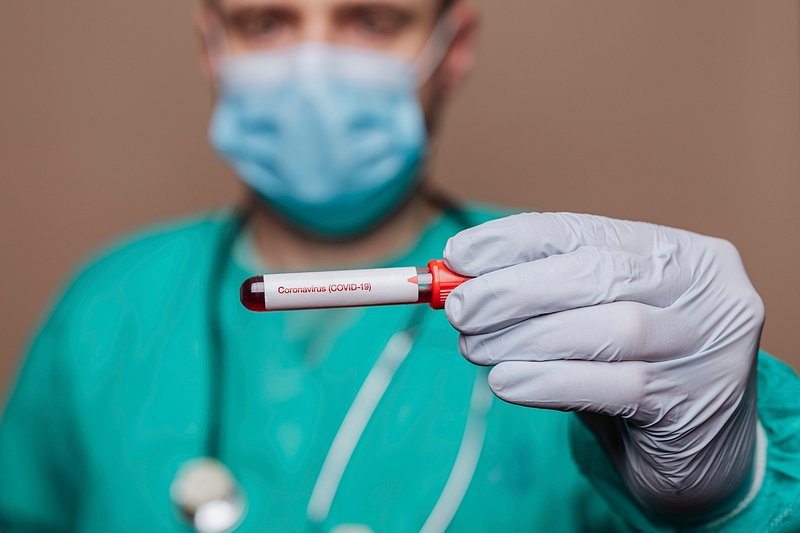
Joining peer support groups and preventive screening events transforms neighborhood health from abstract advice into lived experience. By attending local screenings for blood pressure, cholesterol, or diabetes, you catch risks early while learning directly from coordinators about follow-up resources. Peer groups, often hosted at community centers or libraries, provide accountability for sustaining lifestyle changes, such as walking routines or medication adherence. Combining peer encouragement with regular screenings creates a feedback loop: group members remind each other of upcoming health fairs, and screening results spark honest conversations about progress. Even one shared screening result can shift a group’s focus from vague worry to targeted action. To start, check your neighborhood’s health board or faith-based bulletin for monthly dates.
- Ask your local pharmacist for a list of free screening days and peer-led chronic condition circles.
- Bring a friend to your first peer meeting to ease hesitation and double the chance you return.
- Use a shared calendar at the group to schedule preventive checks together, turning logistics into social ritual.
How to Request a Home Visit or Mobile Checkup if You’re Homebound
If you are homebound, start by calling your local health department or a nearby community clinic directly, asking for their mobile care coordinator. Request a **home visit or mobile checkup** by clearly stating your mobility limits and medical need; most neighborhood wellness programs reserve same-week browncountyhealthdept.org slots for such cases. Your primary care doctor’s office can also submit a formal referral to a visiting nurse service, which then schedules a lab draw, blood pressure check, or medication review at your kitchen table. Have your insurance card and a list of current medications ready when you call, as this speeds up approval. Do not wait until a condition worsens—homebound status itself qualifies you for proactive care.
Q: How do I request a home visit if my doctor’s office says they don’t offer them?
A: Ask them to contact your local Area Agency on Aging or a community paramedicine program; these agencies routinely dispatch mobile clinicians for homebound residents, and a simple phone call from your provider is enough to initiate the visit.
Overcoming Common Barriers to Using Local Health Services
Many people skip local clinics due to fear of costs, language gaps, or inconvenient hours. To overcome these, first call ahead and ask about sliding-scale fees, telehealth options, and interpreter services—most sites have them but rarely advertise. Schedule visits during off-peak midday slots when wait times drop sharply. If transportation is the issue, check if your clinic partners with ride-share vouchers or volunteer driver programs. Trust is rebuilt by bringing a friend or community health worker to your first appointment for emotional support and note-taking. Ask the front desk for a “same-day callback” from a nurse if you’re nervous about discussing symptoms. Q: “What if I’m embarrassed about my condition?” A: “Say so—staff will normalize it and offer a private follow-up with a provider who specializes in that concern.” Small, staged steps turn sporadic visits into preventive routines.
Addressing Transportation, Language, and Scheduling Hurdles
Transportation barriers are often mitigated through coordinated ride-sharing partnerships or vouchers for public transit, while telehealth options eliminate travel entirely. Language hurdles require on-site interpreters, translated signage, and multilingual check-in kiosks—not just apps. Scheduling hurdles demand evening or weekend clinics, walk-in slots reserved for urgent needs, and automated reminders with one-tap rescheduling. A practical approach is consolidating appointments for multiple family members into one visit. Overcoming access friction hinges on front-desk staff actively asking about transportation, language, or timing conflicts at booking. Patient navigators can bridge all three gaps by arranging rides, confirming interpreter availability, and coordinating follow-ups around work shifts.
Q: What is the fastest way to reduce missed appointments from transport or language issues? A: Pre-visit calls that offer a transit voucher and ask whether an interpreter is needed—this single step cuts no-shows by roughly a third in most community clinics.

Understanding Sliding-Scale Fees and Eligibility for Subsidized Care
Understanding sliding-scale fees and eligibility for subsidized care is your key to unlocking affordable treatment without financial guesswork. Most community health centers calculate your payment based on household size and documented income, often making care accessible even if you earn above federal poverty limits. You simply provide proof like pay stubs or tax returns, and the clinic’s financial counselor determines your rate—sometimes as low as zero dollars. Eligibility for subsidized care typically renews annually, but changes like job loss or a new dependent qualify you for immediate re-evaluation. Do not assume you earn too much; ask directly. This system exists to keep care within reach, and using it removes cost as a barrier.
How to Get Help with Insurance Enrollment Through Navigators

For residents facing coverage gaps, insurance enrollment navigators provide free, in-person assistance that bypasses confusing online portals. You can find them at federally qualified health centers, public libraries, or by calling your state’s 2-1-1 helpline for a direct referral. During a session, a navigator will compare plans based on your income, expected medical use, and prescription needs, then complete the application alongside you in real time. They also verify documents, calculate premium tax credits, and help you appeal denials. *Bring your last tax return, pay stubs, and a list of current medications, as these details determine your subsidy level.* After enrollment, they remain available for post-application questions.
- Request a language interpreter or sighted guide when booking, as navigators are trained to serve all abilities.
- Ask for a post-enrollment follow-up in 60 days to reassess plan fit after your first medical claim.
- Use their service even after open enrollment, as they can screen for qualifying life events like job loss or childbirth.
Measuring the Real Benefits of Participating in Neighborhood Care Programs
Measuring the real benefits of participating in neighborhood care programs goes beyond counting visits or tasks completed—it’s about tracking how these interactions shift community health outcomes in daily life. You can gauge success through simple tools like pre- and post-program surveys that ask neighbors about their sense of isolation, stress levels, or confidence managing chronic conditions. A key metric is the reduction in emergency health episodes among participants, which often reflects better early support at home. Another practical sign is increased social connectedness, since people who feel looked-after tend to adopt healthier habits, like walking together or sharing nutritious meals. Keep notes on qualitative wins too, like a member mentioning they slept better after a check-in call. These tangible and felt changes offer a truer picture of value than raw participation numbers, helping you refine what works for your specific community’s health needs.
Signs That a Program Is Improving Your Quality of Life
You notice you’re sleeping more soundly and waking with energy to tackle daily tasks, a direct shift from previous fatigue. Socially, you find yourself initiating conversations with neighbors you once only nodded at, and these interactions feel natural rather than obligatory. A clear sign is reduced reliance on urgent-care visits because you’re managing minor health concerns early, guided by advice from program volunteers. Your mood stabilizes—fewer days of irritability or hopelessness—and you’re more consistent with medications, as personal health routines become easier to sustain with community encouragement. You also begin teaching a skill you know to another member, which reinforces your sense of purpose. These observable changes in sleep, mood, and connection indicate the program is genuinely enhancing daily living.
Improved sleep, stable mood, and natural social engagement are reliable signs that a neighborhood care program is elevating your quality of life.
Building Long-Term Relationships with Local Health Providers
Building long-term relationships with local health providers turns sporadic care into a continuous safety net, and this is where consistent referral reciprocity becomes your strongest asset. Start by scheduling a quarterly check-in with each provider to review shared patients and clarify communication preferences. Next, send them a concise summary of your program’s outcomes, specifically highlighting cases where their referrals led to measurable improvements. Then, invite providers to co-host a simple health screening or workshop, which gives them direct exposure to your process. Finally, formalize a feedback loop where providers can suggest adjustments to your care coordination. This sequence ensures that every interaction builds trust, reduces friction, and makes your program an indispensable partner in their daily workflow.
Tracking Your Own Wellness Milestones Outside of a Hospital Setting
Tracking your own wellness milestones outside of a hospital setting begins with choosing three measurable markers—like resting heart rate, daily step count, or pain levels—and logging them at the same time each week. Use a simple notebook or a free mobile app to record these numbers, then review the trend monthly rather than daily. To stay consistent, follow this sequence: pick one physical metric, one emotional metric (e.g., mood score), and one functional metric (e.g., stairs climbed without pause); set a baseline over two weeks; then reassess every four weeks tied to neighborhood program activities. The most accurate signal is often the gap between your perceived effort and your actual output, not the raw number alone. Finally, compare your log against program attendance dates to see which gatherings yield your best outcomes. This self-tracking creates personalized evidence of neighborhood care impact without clinical visits.